

HORMONE THERAPY:
MORE THAN MHT
with your Host, Dr. Alex Dragan Naturopathic Doctor and a Menopause Society Certified Practitioner
When things start to feel different for yourself, Menopause deserves a conversation.
Hormone Therapy: More than MHT
Hormone Therapy: More Than MHT began as a live webinar that brought women together for an honest conversation about menopause, our changing bodies, and the options available to us.
Through science, real patient stories, questions, and shared experiences, we explored how to recognize patterns, better understand hormone therapy and whole-person care, and turn information into meaningful next steps.
The questions and feedback from the women who joined us are now helping shape the future of this project as we continue creating more dynamic, insightful, and supportive conversations about menopause.
-
1. Intro
Welcome to Hormone Therapy: More Than MHT. In this opening section, I introduce what we will be discussing and explain why this conversation matters.
My hope is that you leave with useful information and actionable ideas that help you feel more confident about your health.
Welcome to Hormone Therapy: More Than MHT. In this opening section, I introduce what we will be discussing and explain why this conversation matters.
My hope is that you leave with useful information and actionable ideas that help you feel more confident about your health.
-
2. Jane is Anxious
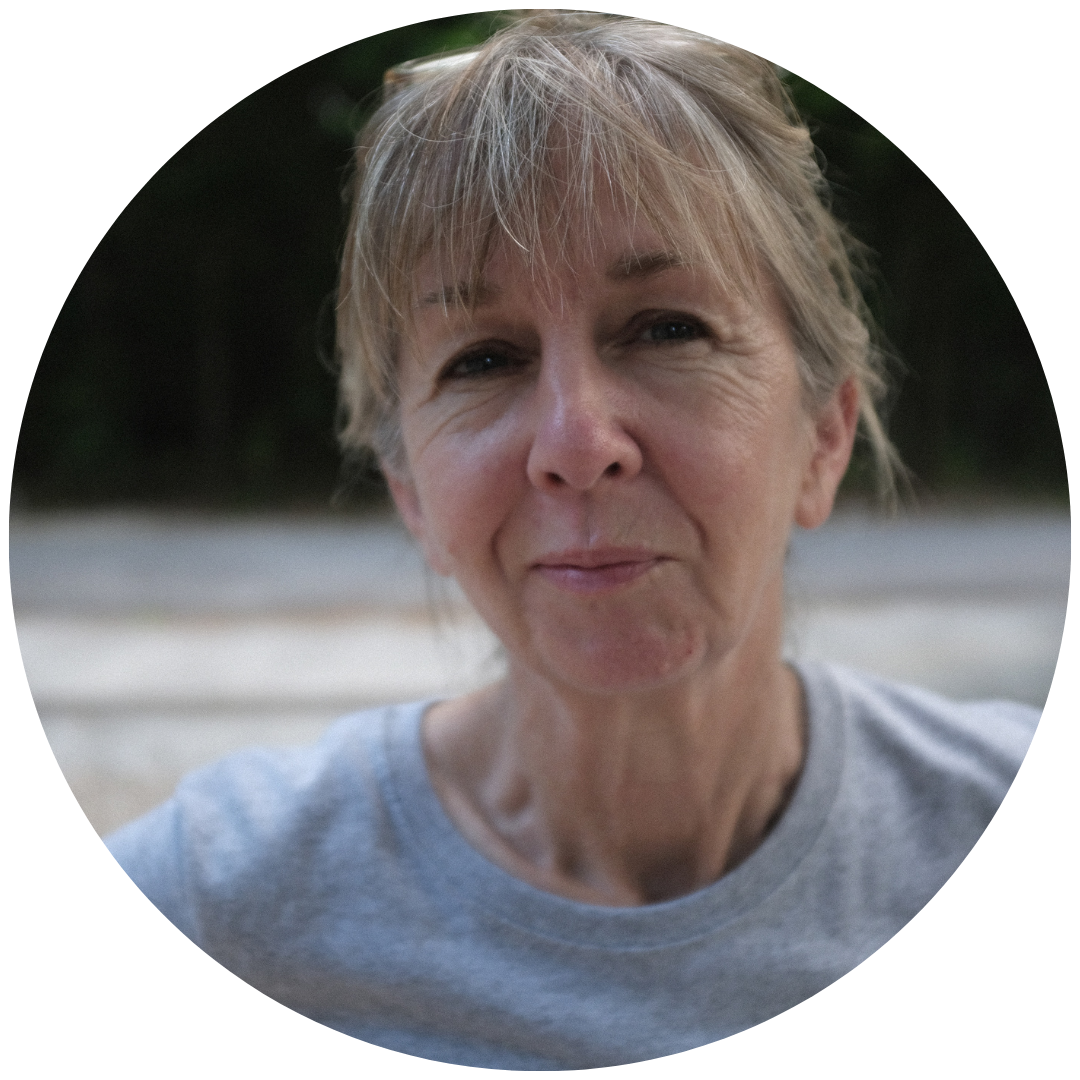
Jane is 51 and has reached a point where she simply does not feel like herself anymore. She is struggling with poor sleep, anxiety, exhaustion, stress, and a sense of overwhelm. Through Jane’s story, we begin exploring progesterone, including what it does, why it is often taken at night, how it may support sleep, and what possible side effects to consider. Jane’s experience helps us understand how symptoms can affect everyday life and why treatment should always be personalized.
Jane is 51 and has reached a point where she simply does not feel like herself anymore. She is struggling with poor sleep, anxiety, exhaustion, stress, and a sense of overwhelm. Through Jane’s story, we begin exploring progesterone, including what it does, why it is often taken at night, how it may support sleep, and what possible side effects to consider. Jane’s experience helps us understand how symptoms can affect everyday life and why treatment should always be personalized.
-
3. What is happening to Jane's Hormones?
What is actually happening to our hormones during perimenopause? In this section, I use a visual graph to explain how estrogen and progesterone change throughout the different stages of life. We look more closely at the hormonal fluctuations that can occur during perimenopause and connect those changes to Jane’s symptoms. We also discuss the importance of supporting the body with regular meals, protein, fibre, stress management, and a treatment plan that feels realistic rather than overwhelming.
What is actually happening to our hormones during perimenopause? In this section, I use a visual graph to explain how estrogen and progesterone change throughout the different stages of life. We look more closely at the hormonal fluctuations that can occur during perimenopause and connect those changes to Jane’s symptoms. We also discuss the importance of supporting the body with regular meals, protein, fibre, stress management, and a treatment plan that feels realistic rather than overwhelming.
-
4. Tara has every symptom in the book
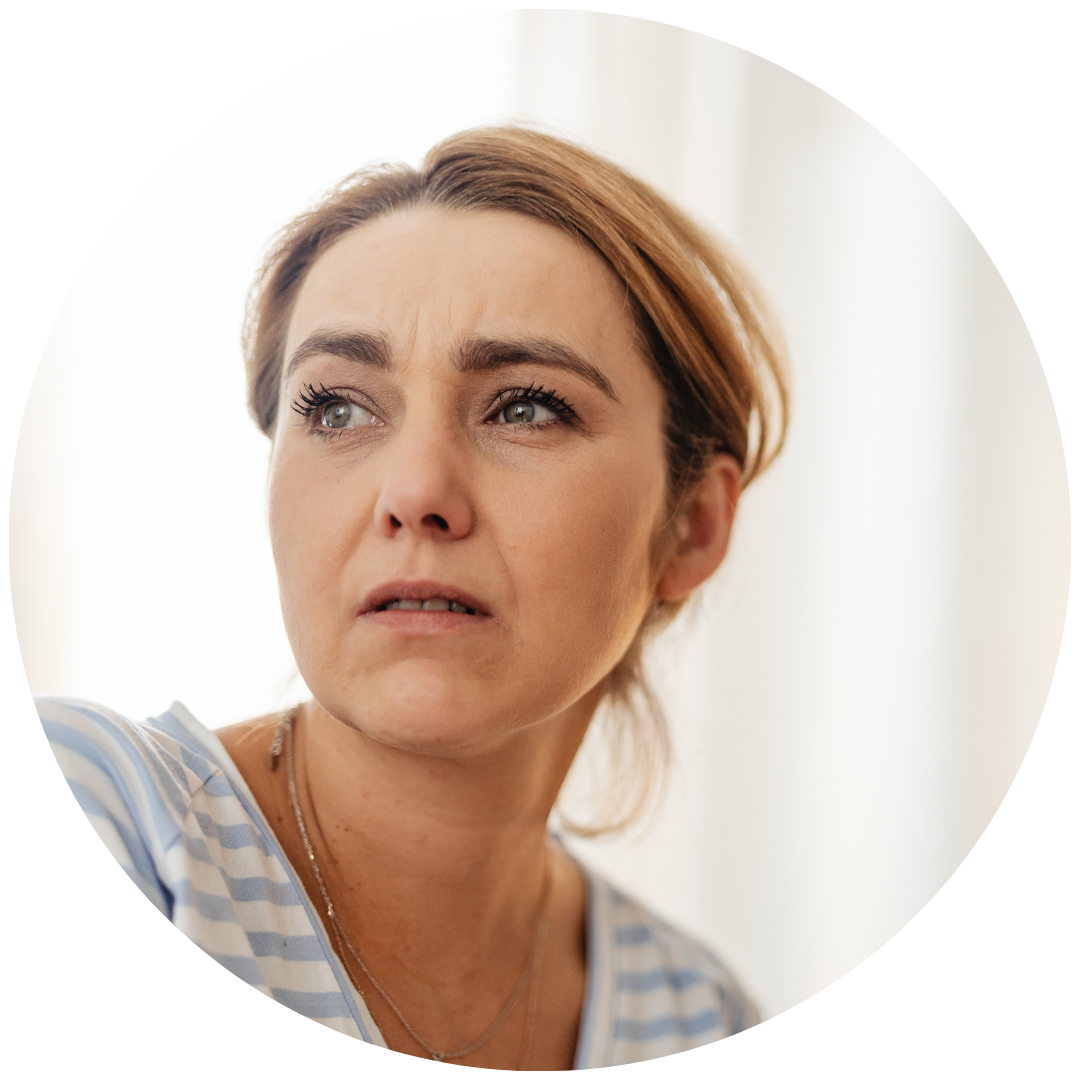
Tara is 42 and feels like she has every symptom in the book. We discuss estrogen, including its potential benefits, risks, common side effects, and different methods of application. We also talk about the importance of considering the whole person, not simply prescribing hormones without understanding her symptoms, health history, and goals.
Tara is 42 and feels like she has every symptom in the book. We discuss estrogen, including its potential benefits, risks, common side effects, and different methods of application. We also talk about the importance of considering the whole person, not simply prescribing hormones without understanding her symptoms, health history, and goals.
-
5. What's in the toolshed for Tara
Hormone therapy can feel overwhelming because there are so many options available. In this section, we open the toolshed and review some of the different forms of treatment, including gels, patches, oral medications, hormonal intrauterine devices, and vaginal estrogen. We explore how these tools may be combined and why the best choice is different for every woman.
Hormone therapy can feel overwhelming because there are so many options available. In this section, we open the toolshed and review some of the different forms of treatment, including gels, patches, oral medications, hormonal intrauterine devices, and vaginal estrogen. We explore how these tools may be combined and why the best choice is different for every woman.
-
8. Sandra wants her libido back
Sandra is 57 and tells me that she has lost her mojo. Through her story, we explore what that can mean physically, emotionally, and sexually. We talk about libido, testosterone, vaginal estrogen, pelvic health, discomfort, confidence, and the importance of addressing concerns that women are often hesitant to discuss. Sandra’s case reminds us that sexual health is part of overall health and that these symptoms deserve thoughtful care rather than dismissal.
Sandra is 57 and tells me that she has lost her mojo. Through her story, we explore what that can mean physically, emotionally, and sexually. We talk about libido, testosterone, vaginal estrogen, pelvic health, discomfort, confidence, and the importance of addressing concerns that women are often hesitant to discuss. Sandra’s case reminds us that sexual health is part of overall health and that these symptoms deserve thoughtful care rather than dismissal.
-
7. Wrap Up
We return to Jane, Tara, and Sandra to see how they are doing after beginning their treatment plans. Their experiences show that feeling better is often a gradual process, but the right support can make a meaningful difference.
We return to Jane, Tara, and Sandra to see how they are doing after beginning their treatment plans. Their experiences show that feeling better is often a gradual process, but the right support can make a meaningful difference.
-
8. Closing and Final Thoughts
In this final section, I close the webinar with a reminder that you do not have to struggle alone or convince yourself that your symptoms are not important. It is okay to ask questions, seek support, and continue exploring until you find an approach that feels right for you.
In this final section, I close the webinar with a reminder that you do not have to struggle alone or convince yourself that your symptoms are not important. It is okay to ask questions, seek support, and continue exploring until you find an approach that feels right for you.
Testimonials
“This Course was quite relevant, I may have realized that something I’ve been experiencing is actually a symptom”
— Elena “An incredibly informative and engaging session, explained clearly without complicated medical jargon, I really appreciated the practical approach to understanding different aspects of menopause”
— Sandy“I felt heard and seen, right after the webinar I scheduled an appointment with my doctor to start the conversation of Hormone Therapy”
— CarlaMeet 3 Real Women
Who found relief using Hormone Therapy, but that wasn’t the whole picture.
STORY 1
MEET JANE, 51 YEARS OLD
"I thought it was anxiety."
Learn how sleep, progesterone, mood and the brain are connected, and why stress isn’t always to blame.
STORY 2
MEET TARA, 42 YEARS OLD
"Everything changed almost overnight."
Discover how estrogen influences hot flashes, brain fog, bone health and why symptoms sometimes seem to appear all at once.

STORY 3
MEET SANDRA, 57 YEARS OLD
"My libido disappeared."
Explore the often overlooked role of testosterone, intimacy, motivation, and why treatment is always individualized.
*their names and appereances have been modified for privacy. A few things you may be wondering.
-
MHT stands for menopausal hormone therapy (formerly HRT or hormone replacement therapy). This is a therapy that encompasses the use of estrogen, progesterone and testosterone in order to ease the symptoms of perimenopause and menopause.
-
No. MHT is part of the conversation, not the entire conversation. You will learn what MHT can be used for, where it has limits, and how nonhormonal, nutritional and lifestyle strategies can fit into an individualized plan.
-
Not at all. This workshop is designed for women noticing early changes in perimenopause, those already in menopause, and anyone who wants to understand what may be ahead.
-
There will be a moderated live Q&A. Questions can be submitted privately, but the workshop cannot replace individualized medical care or provide a personal diagnosis or prescription.
-
Yes. The science is translated into clear, practical language. No medical background is needed, and you will leave with a simple framework for more productive conversations with your healthcare provider.
-
You can decide if you want it to be anonymous by sending us a message and we will make sure your name doesn’t show .